
 Advertisement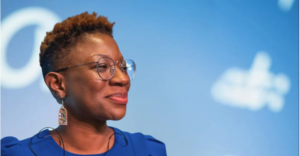
Jennifer Bartell Boykin has served as the second Poet Laureate of the City of Columbia since 2023. Her four year term ends on December 31, 2026, and she will not seek a second term. “Poetry saved my life and has brought me so much joy and connection,” Boykin said. “I have enjoyed sharing poetry with the city these past four years.”
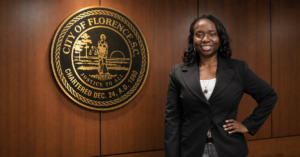
Lanika Shelly Williams defeated incumbent George D. Jebaily in the Democratic primary for an at-large seat on Florence City Council, receiving 2,148 votes to Jebaily’s 1,999, with all 31 precincts reporting.
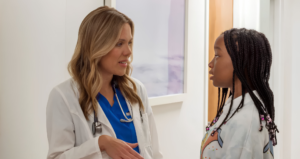
Andrews is not simply running as another Democrat trying to unseat Lindsey Graham. She is running as a pediatrician, a mother, and a medical professional who has spent years inside the healthcare system that politicians love to debate but too often fail to understand.
In this interview clip, South Carolina gubernatorial candidate Billy Webster responds to questions from Black media about his record as co-founder of Advance America and his views on the short-term lending industry.
Webster discusses why he says Advance America was created, the lack of access to small-dollar credit for working families, how the industry has changed since he entered it, and why he believes consumer finance in America needs to be rethought and reformed.
 Advertisement
Central Carolina Community Foundation has launched a region-wide survey to hear directly from Midlands residents about the issues, opportunities, and challenges shaping their communities. The survey is part of a larger effort to help guide future community funding and initiatives aimed at improving the region.
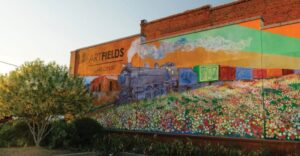
The 2026 ArtFields festival, one of the largest art competitions in the Southeast, is set to kick off next week in downtown Lake City, bringing thousands of visitors and a major boost to local businesses.
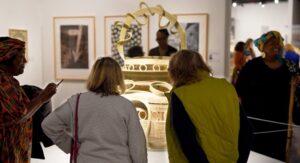
This week, the South Carolina State Museum unveiled its latest acquisition: “Big Percy,” a sweetgrass basket made by renowned Gullah Geechee artist Corey Alston from Mount Pleasant.
This extraordinary piece not only enhances the museum’s folk and traditional art collection but also marks a significant step in preserving and showcasing the ongoing legacy of Gullah craftsmanship in the 21st century.
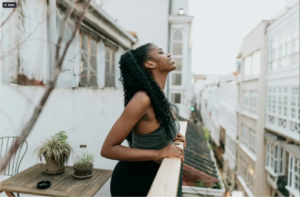
Across the country, Americans are quietly defecting from the relentless pace of major metropolitan life. From Asheville to Boise, Burlington to Santa Fe, smaller “slow-living” cities are experiencing record growth as families, young professionals, and remote workers seek a life less defined by burnout. But this trend is more than a migration—it’s a cultural pivot. Slow-living communities represent a philosophical recalibration of what Americans believe life should feel like.
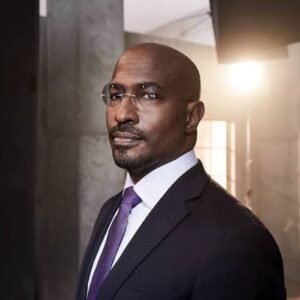
At a time when polarization defines the national mood, Van Jones remains one of America’s few public figures committed to political bridge-building—not as idealism, but as practice. His career defies simple labels: he is a commentator, an author, a policy broker, a social-justice advocate, and a builder of coalitions that stretch across ideological divides.